

In the digital age, effective communication is crucial, and the way we present our text can significantly influence readability and professionalism. One of the tools that can help streamline this process is a case converter. This article will explore the different types of text transformations, why they are important, and how tools like Creatoolz can simplify the process of converting text cases.
What is a Case Converter?
A case converter is an online tool or software that changes the case (capitalization) of a selected text. It can transform text into various formats such as uppercase, lowercase, title case, sentence case, and more. Whether you’re editing a document, formatting code, or preparing content for your website, a case converter can save you time and ensure consistency across your text.
Types of Text Transformations
Lowercase: Converts all letters in the text to small letters. This is useful when uniformity is needed, especially in filenames or URLs.
Uppercase: Changes all letters to capital letters. This type of conversion is often used for headings or emphasis.
Title Case: Capitalizes the first letter of each word, except for conjunctions and prepositions. Title case is commonly used in headings and book titles.
Sentence Case: Capitalizes only the first letter of the first word in a sentence, along with proper nouns. This is ideal for paragraph formatting.
Toggle Case: Alternates the capitalization of each letter. It can be a fun way to present text, although less commonly used.
Capitalization for Specific Needs: Some tools also allow for custom transformations that can cater to specific needs, such as changing certain words to uppercase or lowercase based on context.
Why Use a Case Converter?
-
Enhances Readability
Proper text capitalization improves readability. Using a case converter helps you ensure your text follows standard conventions, making it easier for your audience to read and understand.
-
Saves Time
Manually changing text case can be tedious and time-consuming, especially for long documents or code snippets. A case converter automates this process, allowing you to focus on more critical tasks.
-
Maintains Consistency
When working on projects that require a uniform style, maintaining consistent text formatting is crucial. A case converter ensures that all text adheres to the same capitalization rules, which is especially important in branding and marketing materials.
-
Improves Professionalism
Text that is inconsistently capitalized can appear unprofessional. Utilizing a case converter adds an element of polish to your work, demonstrating attention to detail that can impress clients or audiences.
How to Use a Case Converter Effectively
Using a case converter, such as the one provided by Creatoolz, is straightforward. Here’s a step-by-step guide to maximize its potential:
Step 1: Input Your Text
Begin by copying and pasting the text you want to convert into the designated area on the case converter tool. This could be a paragraph, a list of keywords, or any other text.
Step 2: Select Your Desired Case
Choose the type of transformation you want. Whether it’s uppercase, lowercase, title case, or any other format, the tool typically provides all this functionality in a user-friendly interface.
Step 3: Convert and Review
After selecting your transformation, click the convert button. Your newly formatted text will be displayed. Review it to ensure it meets your expectations—this is especially important for professional documents.
Step 4: Copy and Use
Once satisfied, copy the transformed text for your use. You can paste it into emails, documents, or any platform where you need consistent capitalization.
Best Practices for Text Transformation
To get the most out of a case converter, follow these best practices:
-
Know Your Audience
Choose your text case based on your audience and context. For example, title case is more suitable for headings, while sentence case is better for paragraphs.
-
Consistency is Key
No matter which case you choose, ensure it is applied consistently throughout your document or project. This will help convey a clear message and maintain professionalism.
-
Leverage Online Tools
Make use of online case converters like Creatoolz that are easily accessible and eliminate the need for manual adjustments, saving you time and effort.
-
Check for Errors
Always review your text after conversion. Automated tools may not catch every nuance in context, so it’s essential to check for typos or formatting issues.
In conclusion
A case converter is an invaluable tool that simplifies the process of text transformation, enhances readability, maintains consistency, and ultimately leads to better communication. Whether you’re a writer, developer, or business professional, leveraging such tools can save you time and elevate the quality of your work.
Tools like Creatoolz offer user-friendly solutions for all your text transformation needs. So whether you’re creating a captivating blog post, formatting a report, or simply tidying up your notes, consider integrating a case converter into your workflow.
Stay tuned for when Creatoolz is back online, as it will continue to provide quality tools to meet your text formatting needs. Thank you for your patience!
Frequently Asked Questions (FAQs)
1. What is WebP and why should I convert PNG to WebP?
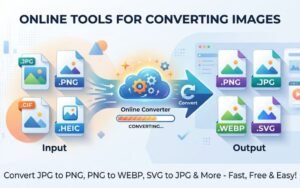
WebP is a modern image format that reduces file size while keeping good quality, helping websites load faster.
2. Does converting PNG to WebP reduce image quality?
No, WebP keeps high image quality while significantly reducing file size compared to PNG.
3. Is WebP supported by all browsers?
Most modern browsers like Chrome, Edge, Firefox, and Safari support WebP format.
4. How does PNG to WebP help SEO?
Smaller image size improves page speed, which helps user experience and boosts SEO rankings.
5. Can I convert PNG to WebP for free?
Yes, many online tools and software allow you to convert PNG images to WebP for free.